




The Fisherman
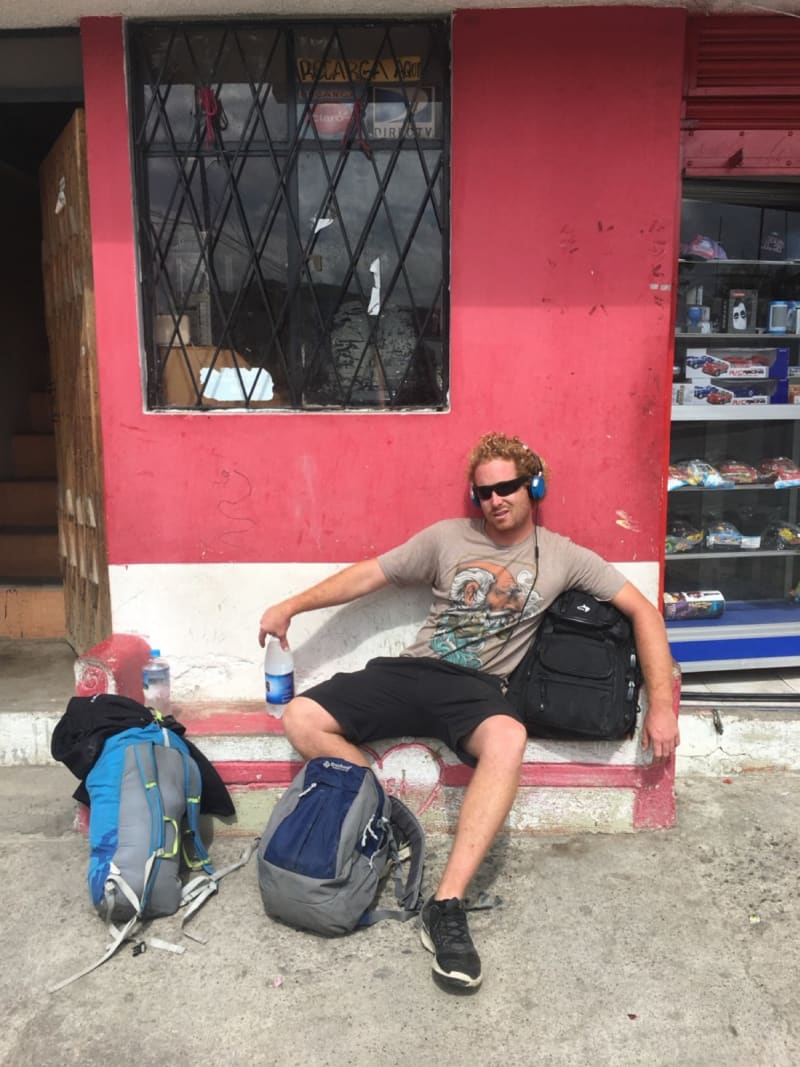
I grew up on the East End of Long Island. By my early twenties I was a commercial fisherman — first in Shinnecock, then out of Montauk. Deep-sea trips anywhere from a day to a month. In the fall I'd catch bay scallops and clam in the Peconics. The ocean was my holy place — a place where my mind could rest. Peace and solitude.
Between fishing seasons I'd travel — the Far East, South America, Europe, the Caribbean — always with my camera. I shot everything on a Nikon D7100. The fishing, the storms, the quiet sunrises offshore. All of my early photography tells the story of a dying industry on Long Island.


April 18, 2019
After three back-to-back six-day trips on the fishing vessel Perception out of Montauk, I went to Towd Point in North Sea Harbor for a cold morning swim to ease my tendonitis. It was a full moon tide. Strong current. I dove a few times — the channel goes from sand to twenty feet in a short distance. The first dives I made it. But I was cold and tired, and the last one I didn't.
I hit the bottom. I opened my eyes and watched the sandy bottom go by and knew immediately — I was completely paralyzed. I didn't drown. I suffocated. I broke the vertebrae responsible for respiration. My friend Jerome pulled me out and performed CPR on the beach. A medevac helicopter took me to Stony Brook, then Mount Sinai in Manhattan.
C3 through C7. Catastrophic spinal damage. Paralyzed from the collarbone down. I lost feeling and movement in 80% of my body. It was really bad at first. But I've learned to live with it.
"I view whatever time I have here as extra. I should have died that day, but here I am — and I'm enjoying living."


30 Months
I spent a few months at Mount Sinai, then moved home to my mother's house. I'm grateful for her — she's done so much for me — but once you move out, you just can't go back. Then I got to go to the Shepherd Center in Atlanta, which was nice because I got to travel a little, take an airplane. It was kind of like Disneyland for paralyzed people.
But back home wasn't sustainable. I ended up unhoused, depressed, on a thousand different prescription pills, without dependable care, money, or a place to live. So I moved into a nursing home in Southampton. It was the most difficult thing I'd endured since my accident. But it was also where I decided this is not where Matt Raynor's story would end.
If you let them, these difficulties can forge you into the person you were always meant to be. But you have to use the pressure to push you to perform at your best — especially when there's no option for failure.
I found a room dubbed the meditation room — even though it was really for conferences. The staff let me stay there. I made it my classroom, my retreat, my place of solitude. Even though the wallpaper was stained, I made it as serene as the ocean in my mind. I had privacy here. Every day, all day, for thirty months. I studied software engineering, teaching myself to code with a custom workflow. I learned Spanish so I could expand my caretaking options. And I went very deep into Buddhism, Taoism, breathwork, and meditation — creating a spiritual foundation I could bring with me wherever I go, through good times and bad.
The conditions were poor. The care was inconsistent. But everybody loved me there and I loved them. I created a spiritual framework for living, and I prevailed.
"Do your work, then step back."

What I Built
While I was in the nursing home, I started freelancing. I wanted to build real projects — the best way to learn is to build. So I built applications for real businesses.
EJArtMover.net — My close friend's husband has a fine art moving business on Long Island. I built him an operations platform — work order tracking, calendar scheduling, PDF invoicing. My first client project.
ToteTaxi.com — A luxury delivery platform with an AI customer service agent, dynamic pricing, Stripe payments, and driver dispatch. I financed my accessible bathroom with proceeds from this work.
Matt's Freedom Fundraiser — When GoFundMe nearly blocked a $26K withdrawal, I built my own donation platform from scratch with React, Django, and Stripe. It was my first production app with a decoupled frontend. I raised the money I needed to get out, set up a Medicaid trust, and did everything legally and by the book. For the first time in my life.
Now I build AI-powered platforms professionally. StackJefe.com — a job search engine querying 185K+ listings by tech stack. My Photography Store — an e-commerce platform with an AI shopping assistant. IDP EasyCapture — an enterprise computer vision pipeline I built under contract for a multinational corporation.
I'm a software engineer. I code with a custom workflow. And I ship production software every week.



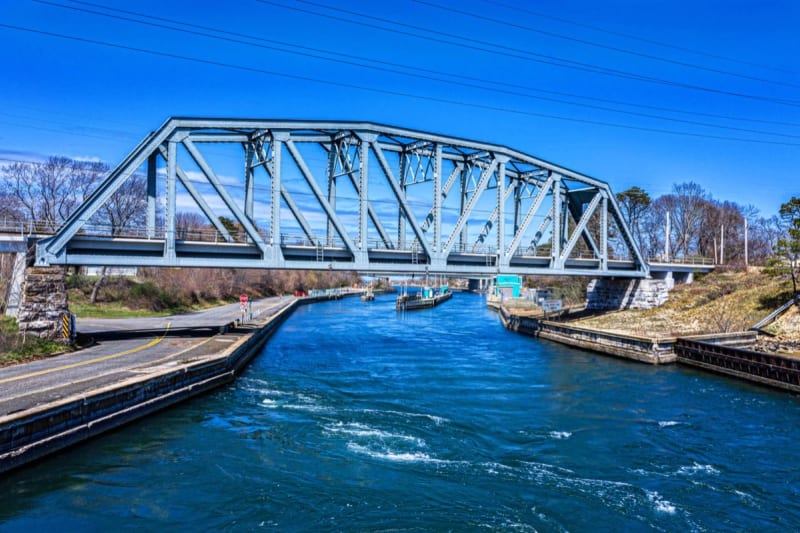
Photography — Before and After
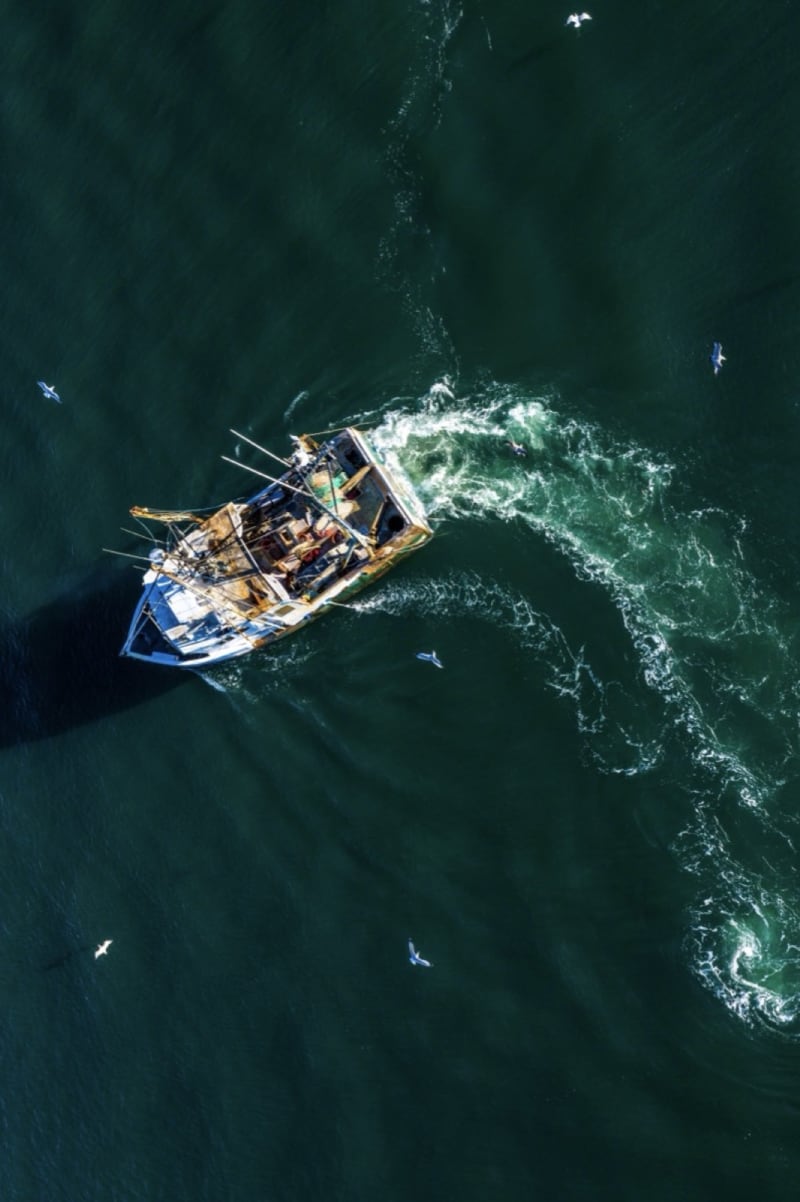
Before my accident, I photographed from fishing boats and during my travels — crazy seascapes, distant lands, storms at sea, everything with my Nikon D7100.
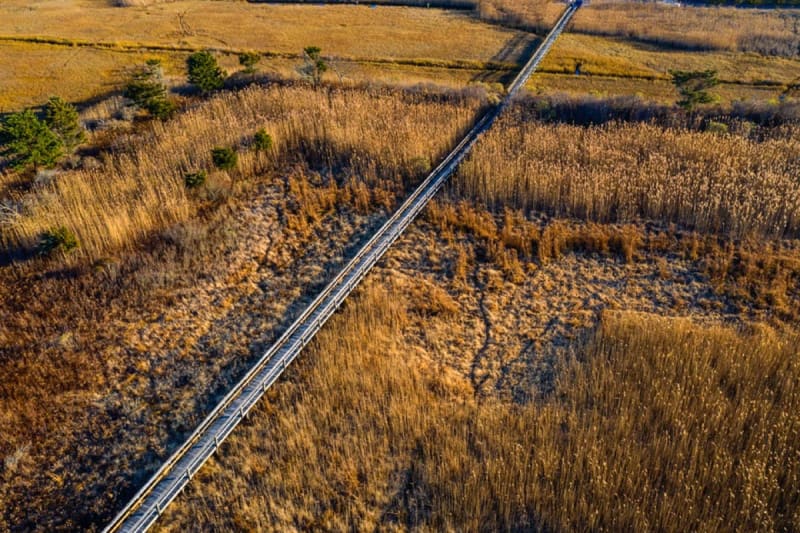
After I became paralyzed, I needed a way to express myself — especially when I was living at my mother's house. I needed an outlet. So I got my FAA drone certification and adapted a custom workflow for it. Aerial photography gave me a way to keep creating — and a way to rise above.
My work has been exhibited at the Southampton Cultural Center, LTV Studios in Wainscott, the Parrish Art Museum (PechaKucha Night), HarborFest in Sag Harbor, the Maritime Festival in Greenport, and a ton of other pop-up galleries across Long Island.
My friends Peter and Craig Mowry helped me create Before Me <> After Me — a photography book chronicling my life from offshore fishing out of Shinnecock and Montauk, to travels across the Far East, Europe, South America, and the Caribbean, through the diving accident, and into aerial photography on the East End. It's all from before I was a software engineer. I loved photography, but it's just too much — I can make software by myself and it's just better for me.


What I Write About
I write about the things that saved my life — Buddhism, Taoism, meditation, recovery, and the power of discipline. I share raw, honest reflections on disability, trauma, spiritual growth, and building a life worth living. It's kind of my therapy. I don't do it for money — I mean, I make a little bit — but it's mainly for me to release whatever I'm going through and help my friends on Facebook.
My Substack and blog posts aren't just BS from somebody trying to fake it. They're real stories from somebody who's been through a lot — locked up, nearly died a few times even before my spinal cord injury — who had to fight for a reason to keep going when I was in the nursing home and when I got out. It's also pretty funny. I'm funny even though the subject matter is serious. So you might want to check it out.
My mission is to inspire others who are in dark places — whether they're going through addiction, depression, anxiety, whatever. Anyone in their slice of life can read it.
"Pain doesn't mean you're broken. It means you're being shaped."


Where I Am Now
I live in Hampton Bays — my hometown, where I grew up, where I learned to surf and spearfish and become a commercial fisherman. I'm right down the road from my family and all my friends. And I'm closer to the beach than I've ever been — the bay is a three-minute wheelchair ride from my door. I get to wake up every day and watch the fishing boats on the water.
I'm part of multiple communities. I see people I care about every day. Some mornings I can't wait to get up. Other days I'd rather stay in bed. But mostly, every day is an adventure — and I'm more than thrilled to live it.
Yeah, I miss traveling. I miss spearfishing and surfing and seeing the world. But the most important thing I've learned is that the difficulties are what give beauty its contrast. They're what make life worth living.
When I broke my neck and I thought I was going to die, I didn't think of the easy times. I thought of all the difficult things I had overcome — the days offshore fishing in a storm, the anxieties and how I beat them. That's what flashed before my eyes. That's what living is all about.
"When I let go of what I am, I become what I might be." — Lao Tzu
